
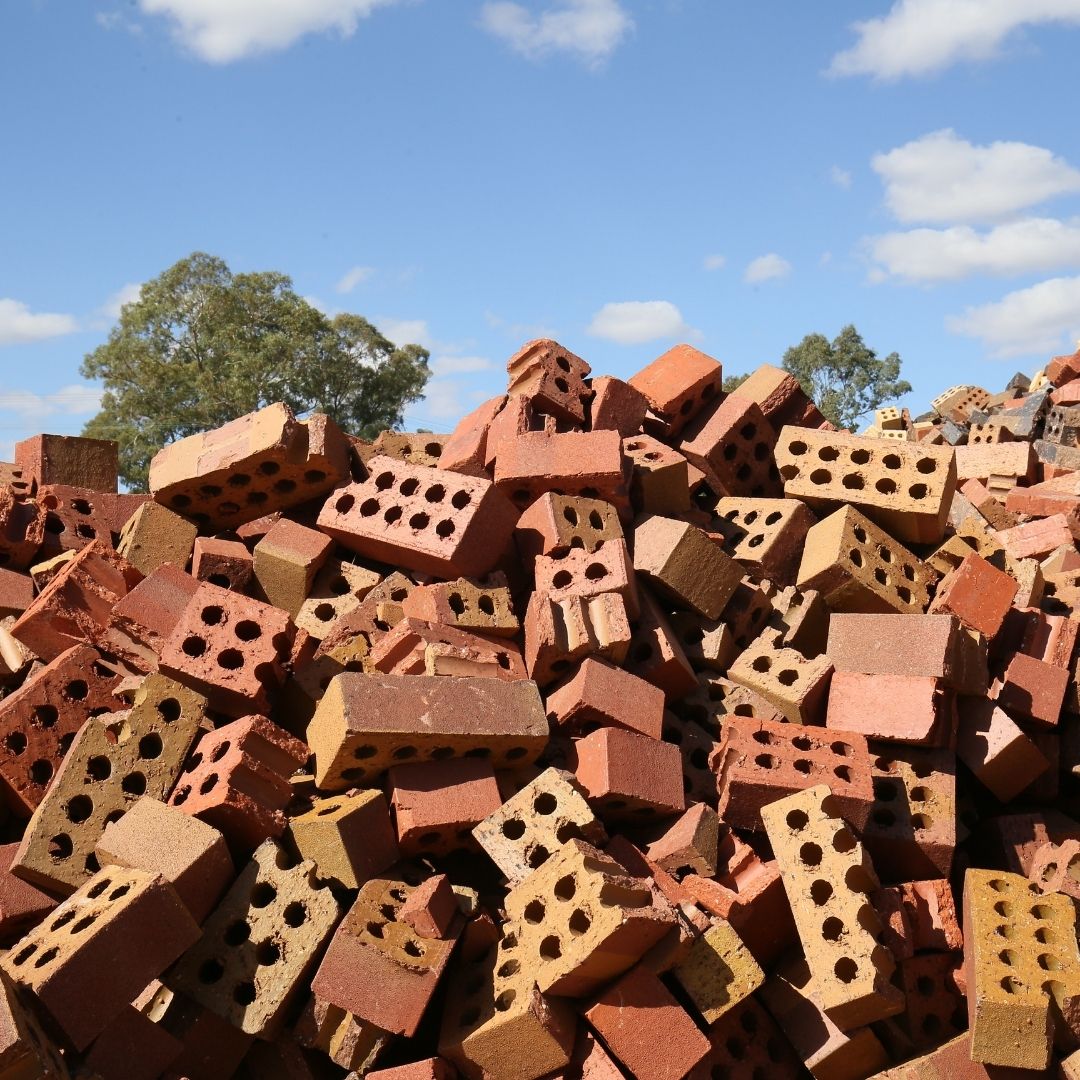
Short answer: if you can transport it, a concrete recycling centre is almost always cheaper than a skip. Hire a bin when you can’t move it yourself, or when the job is medium-to-large. Either way, concrete and brick are heavy, so the bin you need is smaller than you’d guess.
We take a lot of concrete and brick loads across Penrith, the Blue Mountains, Hawkesbury and Western Sydney. Before you book anything, here’s the honest run-down of your options, cheapest first, so you don’t overspend on a small load.
Take It to a Concrete Recycler First
Short answer: concrete recyclers charge by the tonne and are usually the cheapest way to get rid of clean concrete and brick, if you have a trailer or ute to cart it there.
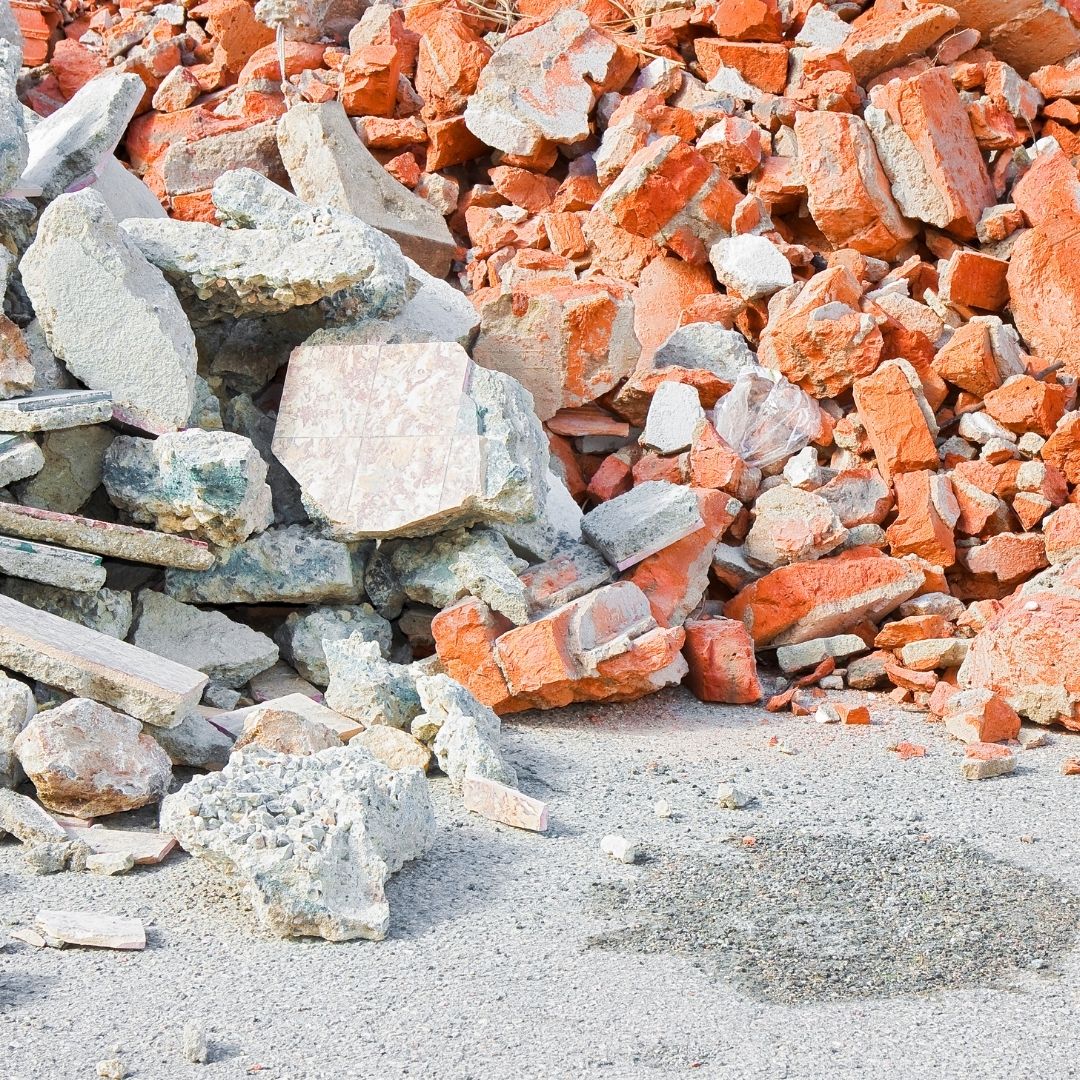
Clean, crushed concrete and brick get recycled into road base and aggregate, so recyclers actively want it. Rates are low by the tonne, and for a small demolition, a path, a couple of steps, an old brick garden edge, a trailer run can cost less than any bin. The condition is “clean”: concrete and brick only, no soil, timber, plastic or general rubbish mixed through. If it’s clean and you can move it, this is your cheapest path.
When a Skip Bin Makes More Sense
Short answer: book a bin when you can’t transport the rubble yourself, or when the job is bigger than a trailer load or two.
A skip earns its keep in three cases:
- No way to transport it: no trailer, no ute, or a recycler that’s too far to make trips worthwhile.
- Medium-to-large jobs: a demolished shed slab, a full brick wall, a paved area coming up.
- Mixed rubble: brick and concrete tangled with mortar, tiles or dirt that a recycler won’t take clean.
For dedicated heavy loads we run a concrete and brick waste service, the bin comes to you, you fill it, we handle the rest.
Watch the Weight, Heavy Waste Means a Smaller Bin
Short answer: concrete and brick are among the heaviest things you can put in a bin, so you’ll be capped by weight, not by space.
This is the mistake we see most: someone books a big bin for a brick job, fills it a third full, and hits the weight limit. Because rubble is so dense, a small or mid-size bin will take a surprising amount of weight before it’s full to look at. That’s why a “heavy waste” bin is sized differently to a general-waste one. Our bin size guide explains how weight limits change the size you need, and it’s worth a quick chat when you book, tell us it’s concrete or brick and we’ll match it properly. It’s the same honest-options logic we use for green waste: the cleaner and better-sorted the load, the cheaper it is to move.
Keep It Clean to Keep It Cheap
Short answer: concrete and brick sorted on its own has the most disposal options; mix it with other rubbish and those options disappear.
If you’re demolishing, separating rubble from timber, soil and general waste as you go is the single thing that saves the most money. Clean rubble can go to a recycler or a dedicated heavy-waste bin at the best rate. Once it’s mixed, it’s general heavy waste and you lose the recycling option. Our standard hire is 4 days, with $20-a-day extensions if the job runs long.
Frequently Asked Questions
Can I put concrete and bricks in a skip bin?
Yes, and it’s a common load for us. The key thing is weight: concrete and brick are dense, so they hit the bin’s weight limit well before filling the space. That means a smaller “heavy waste” bin rather than a big general-waste one. Let us know it’s rubble when you book so we size it correctly.
Is it cheaper to take concrete to a recycler than hire a bin?
Usually yes, if you can transport it. Concrete recyclers charge low rates by the tonne for clean rubble. For a small job and if you’ve got a trailer or ute, a recycler run often beats a bin. A skip wins when you can’t move it yourself or the job is medium-to-large.
What size skip bin do I need for bricks and concrete?
Smaller than for general waste. Because rubble is so heavy, even a mid-size bin can reach its weight limit while looking only part-full. A few hundred bricks or a slab’s worth of concrete adds up fast. Tell us the rough amount and we’ll recommend a size that stays under the weight cap.
Can I mix concrete with other rubbish in the bin?
You can, but it costs you options. Clean concrete and brick can be recycled or go in a dedicated heavy-waste bin at the best rate. The moment it’s mixed with timber, soil or general rubbish it becomes mixed heavy waste and can’t be recycled. Keep rubble separate for the cheapest outcome.
Why is concrete disposal charged differently to general waste?
Because it’s about weight, not volume. General household waste is light and fills a bin by space; concrete and brick are dense and are limited by weight. Disposal facilities charge heavy materials by the tonne, so heavy-waste bins are priced and sized around the weight allowance rather than how much room the load takes up.
Not sure whether a recycler run or a bin is cheaper for your job? Get in touch, the Ezi-Bin team will give you a straight answer based on how much you’ve got and whether you can move it.

Our Services
Book A Bin
Get your bin delivered fast with simple, hassle-free online booking.