
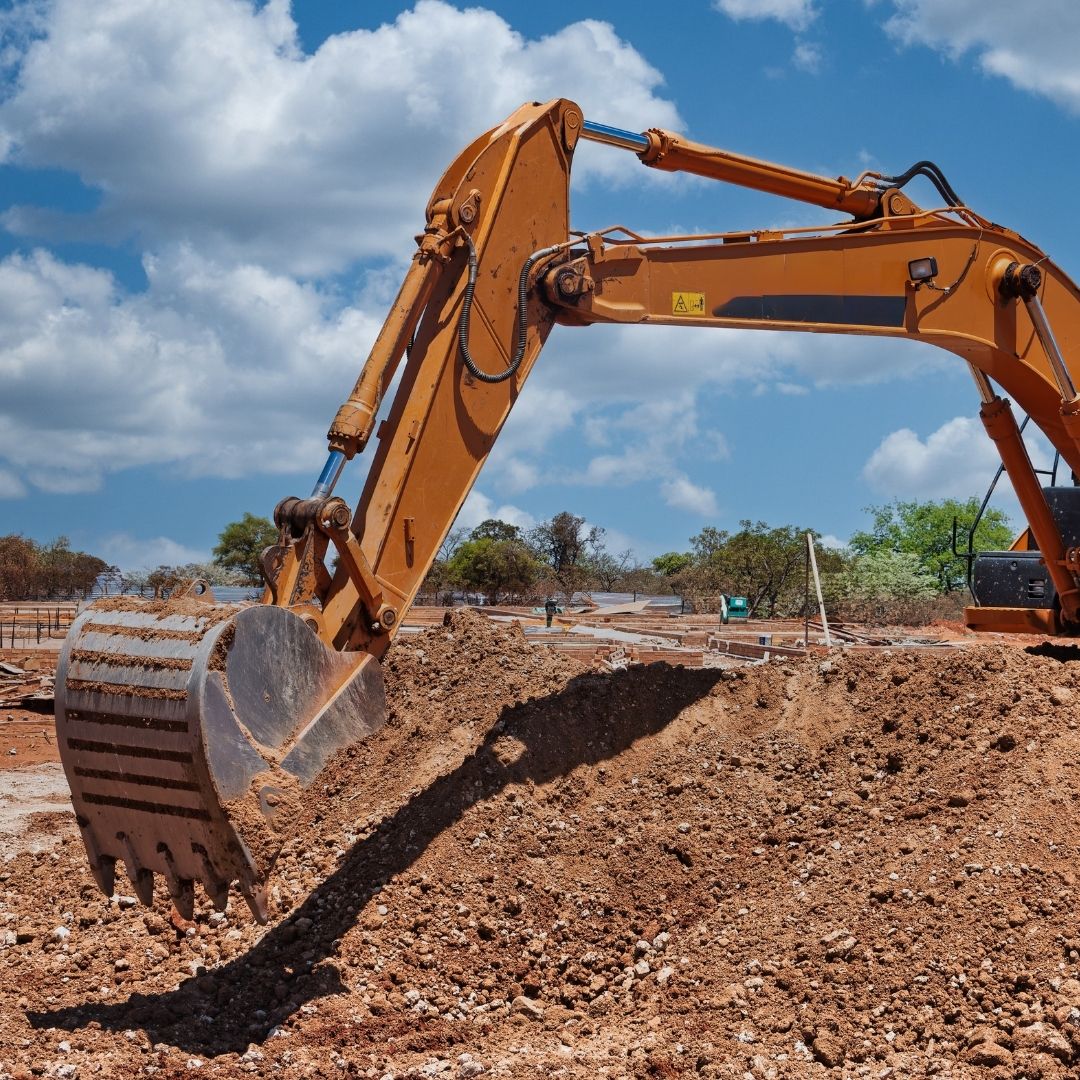
Short answer: if the soil is clean fill, don’t pay to bin it, give it away or take it to a soil recycler first. A skip is worth it when the soil is contaminated, mixed with rubble, or there’s simply too much to shift any other way. Soil is heavy, so the bin you need is smaller than people expect.
We hire out skip bins across Penrith, the Blue Mountains, Hawkesbury and Western Sydney, and soil is one of the loads we get asked about most after a garden reno. Here’s the honest order of options, cheapest first, so you only book a bin when it’s actually the right call.
Give It Away First, Clean Fill Is in Demand
Short answer: clean fill (plain soil with no rubble, roots, turf or rubbish) is genuinely wanted by other people, and giving it away is free.
Try local Facebook groups, Buy Nothing groups, or Gumtree under “free fill.” Landscapers, people levelling a yard, and anyone building a garden bed will often collect it themselves if you list it. The catch is honesty about what it is: if your pile has bits of concrete, old turf, roots or builder’s rubble through it, it’s “mixed fill,” not clean fill, and no one wants a surprise. Say what it is and you’ll usually find a taker within a few days.
Take It to a Soil Recycler or Landscape Yard
Short answer: if you can transport it, a soil or landscape recycler will usually take clean soil for a small fee, often cheaper than hiring a bin for a small amount.
Landscape supply yards and green-waste recyclers around Western Sydney accept clean soil and turn it into blended garden mixes. This suits you if you’ve got a trailer or ute and only a few hundred kilos to move. Ring ahead and confirm they’ll take your specific load, most won’t accept soil with rubble or contamination, which brings us to when a skip actually makes sense.
When a Skip Bin Is the Right Choice
Short answer: book a bin when the soil is contaminated, mixed with rubble, or there’s more than you can reasonably cart away yourself.
Three situations where a skip earns its keep:
- Contaminated soil: anything with old fuel, chemicals, or unknown fill that a recycler won’t accept.
- Mixed fill: soil laced with concrete, bricks, roots or turf from a full dig-out.
- Volume: a big landscaping job where a trailer would mean ten trips.
One thing to plan for: soil is heavy. Because bins have weight limits, a load of soil fills the weight allowance long before it fills the space, so you’ll want a smaller bin than the same job in light waste. Our bin size guide walks through matching the bin to the weight, and we can talk it through when you book. For dedicated soil and dirt loads we run a soil and dirt disposal service built for exactly this.
Clean Fill vs Mixed Fill, Why the Difference Matters
Short answer: clean fill has options and is often free to move; mixed fill almost always ends up in a bin.
The moment soil is mixed with other materials it loses its second life, recyclers and gardeners won’t take it, and it has to be disposed of as general heavy waste. If you’re doing the dig-out, keeping clean soil separate from rubble as you go is the single thing that saves you the most money later. It’s the same honest-options thinking we use for green waste: the cleaner and more separated the material, the cheaper it is to get rid of.
Our standard hire is 4 days, with extensions at $20 a day if you need longer, handy when a landscaping job runs over the weekend.

Frequently Asked Questions
Can I put soil in a skip bin?
Yes, soil is one of the most common loads we take. The main thing to know is that soil is heavy, so it hits the bin’s weight limit well before it fills the space. That means you’ll usually need a smaller bin than you’d expect. Tell us it’s a soil load when you book and we’ll match the right size.
Is it cheaper to give soil away than hire a bin?
For clean fill, yes. Plain soil with no rubble or rubbish is in demand, list it free on local Facebook, Buy Nothing or Gumtree groups and someone will often collect it. A bin makes more sense once the soil is contaminated, mixed with rubble, or there’s more than you can cart away yourself.
What’s the difference between clean fill and mixed fill?
Clean fill is plain soil with no roots, turf, concrete or rubbish. Mixed fill has other materials through it. It matters because clean fill can be reused or given away for free, while mixed fill has to be disposed of as heavy waste in a bin. Keeping the two separate during a dig-out saves you money.
What size skip bin do I need for soil?
Smaller than you’d think. Because soil is dense and bins have weight limits, a soil load fills the weight allowance fast. A few cubic metres of dirt can max out a mid-size bin on weight alone. It’s best to tell us the rough volume and we’ll recommend a size that stays within the limit.
Can I mix soil with other garden waste in one bin?
You can, but it changes the disposal. Once soil is mixed with green waste, concrete or general rubbish it’s treated as mixed heavy waste rather than clean fill. If you want the cheapest outcome, keep clean soil separate so it can go to a recycler, and use the bin for the mixed material.
Still not sure which way to go? Get in touch, the Ezi-Bin team is happy to look at your job and point you to the cheapest sensible option, bin or no bin.
Our Services
Book A Bin
Get your bin delivered fast with simple, hassle-free online booking.