
You’ve got a pile of rubbish to get rid of and you know you need something bigger than your wheelie bin. So you start looking into skip bins, then you see skip bags, and suddenly you’re wondering what the difference even is, and which one you should actually book.
The honest answer? It depends on the job. Not on what’s trending, not on what your neighbour used last weekend, on how much waste you’ve got, what kind it is, and how quickly you need it gone.
Here’s a straight breakdown of both options so you can figure out which one actually makes sense for your situation.
What Is a Skip Bag?
A skip bag is exactly what it sounds like, a heavy-duty bag designed to hold waste. You order it, it gets delivered flat, you fill it up at your own pace, and then you book a collection when you’re done.
They’re smaller than bins (typically around 1 to 3 cubic metres), which makes them ideal for lighter jobs where you don’t need a massive steel bin sitting in your driveway for a week.
Skip bags work well for:
- Garden cleanups and green waste
- Small bathroom or laundry strip-outs
- Garage and shed declutters
- General household cleanouts
- Small tiling or flooring jobs where the waste is manageable
The appeal: You fill them on your own timeline. No pressure to get everything loaded in a 3-day hire window. They’re also easier to position in tight spots, driveways, side gates, even backyards, because there’s no truck dropping off a steel bin that needs clearance.
What Is a Skip Bin?
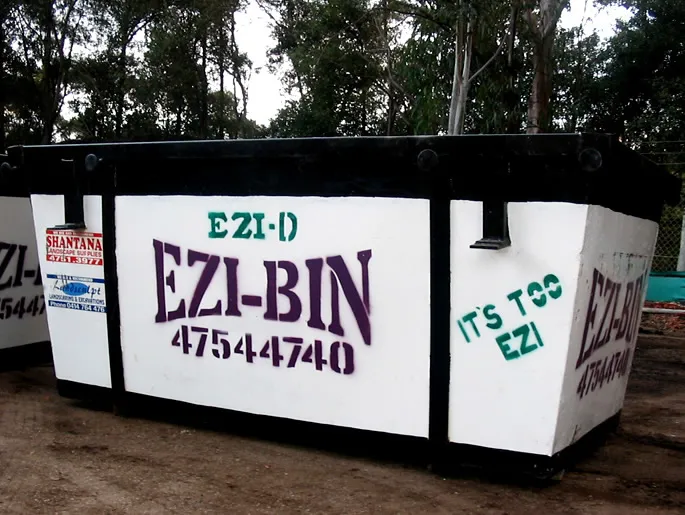
A skip bin is the steel container you’ve probably seen parked on driveways and building sites. They come in a range of sizes, typically from 2 cubic metres right up to 10+ cubic metres, and get delivered on a truck, filled during a set hire period, then picked up when you’re done.
They’re built to handle heavier loads and bigger volumes. If you’ve got a renovation, a construction project, or a serious amount of waste, this is usually the way to go.
Skip bins work well for:
- Full bathroom or kitchen renovations
- Construction and demolition waste
- Large-scale property cleanouts (moving, deceased estates)
- Heavy materials, concrete, bricks, soil, timber
- Roofing jobs and structural work
The trade-off: You’re working within a hire period (usually a few days to a week), and you need enough space for the truck to deliver and collect. Most standard driveways can handle it, but if access is tight, it’s worth checking before you book.
The Honest Comparison
| Skip Bag | Skip Bin | |
| Size range | ~1-3 cubic metres | ~2-10+ cubic metres |
| Best for | Small to medium jobs | Medium to large jobs |
| Fill time | At your own pace | Within the hire period |
| Heavy waste | Limited, not built for concrete, bricks, soil | Yes, handles heavy materials |
| Access needed | Minimal, fits in tight spaces | Truck access required for drop-off and pickup |
| Cost | Lower starting price | Higher, but more capacity per dollar on bigger jobs |
| Ideal user | DIYers, garden cleanups, small renovations | Builders, large renovations, major cleanouts |
How to Figure Out Which One You Need
Forget the marketing. Ask yourself these three questions:
1. How much waste are you dealing with?
If you’re cleaning out a single room, doing a garden tidy-up, or pulling out one small bathroom, a skip bag will probably cover it. If you’re gutting a kitchen, ripping off a roof, or clearing an entire property, you need a bin.
A rough guide: if you reckon the pile will be bigger than what fits in the back of a ute, you’re probably looking at a bin.
2. Is any of it heavy?
This is the one people get wrong. Concrete, bricks, tiles, soil, and wet green waste are all significantly heavier than they look. Skip bags have weight limits because they get lifted by a crane arm, overload one and it’s not getting picked up.
If your waste includes heavy materials, a skip bin is the safer bet. They’re built for it.
3. How much time do you need?
If you’re doing a weekend project and you’ll have everything loaded by Sunday, a bin with a short hire period is efficient and cost-effective. If you’re chipping away at a job over a few weeks (say, a slow garage cleanout or a garden project you’re doing on weekends), a skip bag lets you work at your own speed without watching the clock.
What About Cost?
Pricing varies depending on the size, the waste type, and where you are. As a rough guide:
- Skip bags start from around $250 for a standard size, including delivery and collection
- Skip bins start from around $350 for a smaller bin, with larger sizes going up from there
The thing to keep in mind is that a skip bin might cost more upfront, but if you’ve got a lot of waste, the cost per cubic metre is usually better than ordering multiple skip bags. One bigger bin often works out cheaper than two or three bags.
Rather than guessing, it’s worth calling Ezi for a straight answer based on your actual job, they can tell you which option makes sense and give you a price on the spot.
Can You Mix Waste Types?
Generally, yes, most general waste bins and bags accept a mix of household rubbish, timber, metal, plastics, and garden waste. But there are restrictions on certain materials:
- Asbestos: needs to be handled separately with specific procedures. Don’t put it in a general skip.
- Chemicals, paint, batteries: these are hazardous waste and can’t go in a standard skip bag or bin.
- Soil and concrete: some providers have dedicated “heavy waste” bins for these. Mixing them with general waste can push you over the weight limit fast.
If you’re not sure what you can and can’t put in, ask when you book. It takes two minutes and saves you a headache.
Do You Need a Council Permit?
If your skip bin or bag is going on your own property (driveway, front yard, etc.), you usually don’t need a permit. If it needs to go on the street, the footpath, or any public land, most councils require a permit, and that’s your responsibility to sort out before it arrives.
Check with your local council. It’s a quick phone call and the rules vary by area.
FAQ
What’s the main difference between a skip bag and a skip bin?
Size and capacity. Skip bags are smaller (around 1 to 3 cubic metres), lightweight, and designed for smaller jobs you fill at your own pace. Skip bins are steel containers ranging from 2 to 10+ cubic metres, built for bigger projects with heavier waste. Both get delivered and collected, the right choice depends on how much waste you have and what type it is.
Can I put heavy waste like concrete or bricks in a skip bag?
Skip bags have weight limits because they’re lifted by a crane arm for collection. Small amounts of heavy material may be fine, but if you’ve got a significant volume of concrete, bricks, tiles, or soil, a skip bin is the better option. It’s built to handle the weight and there’s no risk of the bag being too heavy to collect.
How long can I keep a skip bag before it gets collected?
That’s one of the big advantages of skip bags, you fill them at your own pace. There’s no set hire period like a skip bin. Once you’re done filling it, you book a collection and it gets picked up. This makes them ideal for jobs that stretch over a few weeks.
Is a skip bin or skip bag cheaper?
Skip bags have a lower starting price, but skip bins offer more capacity. If you’ve got a larger volume of waste, a single skip bin often works out cheaper than ordering multiple skip bags. The most cost-effective option depends on the size of your job, call Ezi for a quote based on what you actually need.
What can’t I put in a skip bin or skip bag?
Hazardous materials, including asbestos, chemicals, paint, and batteries, can’t go in a standard skip. Some waste types like soil, concrete, and green waste may need a dedicated bin depending on the volume. If you’re not sure, ask when you book. It’s a quick conversation that avoids problems at collection.
Do I need a permit for a skip bin or skip bag?
If it’s sitting on your own property, you generally don’t need a permit. If it needs to go on the street, footpath, or any public land, most councils require one. Check with your local council before booking, the rules vary by area, and sorting the permit out beforehand avoids delays.
Not Sure Which One to Go With?
That’s genuinely fine, most people haven’t ordered a skip before, and the sizing can be hard to visualise. Give Ezi a call, tell them what the job is, and they’ll point you in the right direction. No pressure, no upselling, just a straight recommendation based on what you actually need.


Our Services
Book A Bin
Get your bin delivered fast with simple, hassle-free online booking.